
NAVIGATING THE WATERS


The Location

Senior Capstone at SCAD required us to take a contemporary issue, research it, and design a well-informed interior addressing the issue. My topic selection was Adverse Childhood Experiences and the way it is mishandled in the education system. Navigating The Waters has since been developed into a trauma-sensitive youth center design for children effected by Adverse Childhood Experiences. The center will serve as a community space for youth K-12 and will specialize in academic success, mental health assistance, physical and mental health education, and initiatives for social development.
Inspirational Article Review
"Gather any initial articles on contemporary issues you find thought provoking and deserving of
further study." These are the articles that initially sparked my interest in the topic. Here I map out some articles involving effects of childhood trauma to jumpstart my research.


Click on images for a closer look!
Formal Literature Review
"Once direction has been defined, survey scholarly articles, book, and other sources relevant to your
particular topic, area of research, or theory." Once I knew where I was headed, I found an abundance of scholarly articles discussing Adverse Childhood Experiences (ACEs) and how unresolved traumas have significant impact on academic success, career and financial success, mental wellness, social life, and physical health. From here, it became my goal to figure out how to give children an outlet to learn how to cope with these experiences in a healthy way in a safe and open environment.


Click on images for a closer look!
The Facts
What Causes Trauma?
-
Neglect / Abuse
-
Natural Disaster
-
Family Separation
-
Medical Crisis
-
Bullying or Harassment
-
Substance Abuse
-
Mental Illness
-
Housing Instability
-
Poverty
-
Refugee or Undocumented Status
-
Discrimination
-
Observation of Violence
... among others
What are some reactions to trauma?
-
Physical or Verbal Aggression
-
Extreme Fatigue
-
Unusual Startle Reaction
-
Regular Tardiness or Absence From Class
-
Risky Behaviors
-
Defiance
-
Low Self-Confidence
-
Extreme Self-Reliance
-
Alienation From Peers
-
Self Harm or Suicidal Thoughts
-
Difficulty Concentrating
-
Panic Attacks
... among others
1.12 million
school children and youth in the United States were sharing housing with others due to loss of housing, economic hardship, or similar reasons.
34 million
children in the United States are affected by at least 1 type of adverse childhood experience.
3 out of 4
ACE groups were significantly less likely to complete high school.
14.8%
of high school students dropped out in 2019.
The Survey
Going into the survey, I first wanted to gauge the experiences of the public and where they fell as far as experience of childhood trauma and their views on school. At the end, a suggested research-based design proposals to gauge the interest and demand in schools and left room for more ideas. I also left a space for respondents to express any reservations regarding their theoretical involvements to help guide me through the design challenges to be welcoming and inclusive to all.
Out of 100 respondents, it was a bittersweet discovery that most of the respondents had experiences at least one thing considered a childhood trauma. However, the responses only reaffirmed my point of the relevance of ACEs and how it impacted a child's academic and post-academic life. I also received positive feedback on proposed ideas as well as gained some new things to consider.

Click the image to magnify and read more!
Additional feedback was given for why they would either not attend or have to consider attending. These reasons can be categorized under the following: fear/anxiety, confidentiality concerns, no time, stigma, and outside factors including parental permission. At this point, my project turned from a trauma-sensitive school to what the end product would be, a trauma-sensitive youth center for children effected by Adverse Childhood Experiences specializing in academic and personal success.
The Mission
Solution:

Early intervention

Promote Health and Wellness

Equal Access

Encourage Development

Therapeutic, safe, and stable design
Goals:

Allow youth to reach their full potential

Reignite motivation and hope for a better future

Break multigenerational cycle of ACEs

Awareness of affects of unresolved trauma

Development of healthy coping mechanisms
2828 S Eleanor St, Chicago, IL 60608 Park No. 571
Location Overview


Country: United States
State: Illinois
City: Chicago
Site Area: Bridgeport
Population: 2,694,240
Bridgeport Population: 38,031
Growth Rate: -0.22%
Median Income: $44,968


Chicago is home to 2,716,450 residents, 100 neighborhoods, 77 community areas, and 50 wards. Thanks to the rich ethnic culture, Chicago hosts 36 annual parades, 74 music festivals, and more than 200 theaters and live music venues. The city features 600 parks, 500 playgrounds, 29 beaches, and 26 miles of open lakefront on the coast of Lake Michigan. In 2019, the state of Illinois brought in a total of 120 million tourists.
The main methods of transportation in Chicago are buses, subways, biking, and walking. By car, there are several major interstates leading directly into the city, but from there it is easiest to take advantage of public transportation. There are several bus stops and two subway lines that lead from the heart of Chicago into the site area. From these stops, it is necessary to walk or taxi through the residential neighborhood.

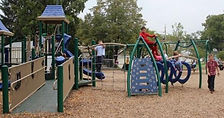


The site is unique to the surrounding area. Bridgeport is mainly residential with local businesses located on the opposite side of the expressway from the site, with the exception of two restaurant within walking distance. Public transportation is limited to buses and subway lines, both of which can also be used to get in and out of downtown Chicago.
Demographic Analysis

The demographic analysis gave me some great insight when picking the location for the building. With the median income sitting at $44,968, 24% of households fall below the poverty line. The Black, Hispanic, and Asian communities are significantly smaller then that of the White majority. While 23.3% of students dropped out of high school, the majority of the population stopped their academic careers after graduating high school. Poverty, being a minority, and family household types are among the many factors that play into academic and personal success. With the statistics leaning more toward the negative side, a youth center driven toward brightening the future of Chicago's youth gives Chicago the opportunity to change these statistics for the better.
Click the image to magnify and read more!
Site & Building Analysis
The building in its original purpose was built as a boathouse, storing rowing boats and oars inside. The walkway to the river provides direct access to the water for rowers.

The entrance of the site shares a street with residential homes while the other side over looks the river. To the north east, there is a view of downtown Chicago. The existing main doors are the only main entry option.


Ceilings are double height into the pitched roofing.
The windows based in the ground level are all rectangle, while the windows reaching up into the second-story are distorted versions of such. These larger windows accent the unique roofline.
Like the windows, the boundaries of the spaces accent the unique roofline. The angles are all symmetrical throughout the space. The buildings can be folded in half along the horizontal axis and match the opposing side exactly.


The windows on the buildings do not receive direct sunlight. Skylight windows provide overhead lighting to limit the need for interior artificial lighting.
The smaller building will receive the most natural lighting through the skylight in the early morning. The larger building will receive the most natural lighting through the skylight in the evening.
The path of the sun follows the window-less back of the building which allows the building to avoid direct sunlight interference and excessive heat retention.
The Concept

The act of rowing is accomplished by pushing against the water with an oar, generating a force to propel the boat forward. Similarly, to navigate life one must place themselves into situations, push through them, and come out as a better person. These situations are often challenging, pushing the individual beyond their boundaries, and teaching lessons necessary to grow.
Children who have gone through Adverse Childhood Experiences often do not know how to process and grow from the toughest life challenges, hindering their development in all aspects of their life. A trauma-sensitive youth center will allow them to assess these impacts, emerge from them, and advance through life with a new and determined outlook. Much like rowing, students will learn to navigate the waters with and alongside their peers, creating a supportive community of like-minded people.
Navigating the Waters
In honor of the original purpose of the building, the concept of rowing was applied to the design of the interior. The act of rowing is accomplished by pushing against the water with an oar, generating a force to propel the boat forward. Similarly, to navigate life one must place themselves into situations, push through them, and come out as a better person. These situations are often challenging, pushing the individual beyond their boundaries, and teaching lessons necessary to grow. This concept was derived from the rowing stroke known as catch, drive, finish release, and recovery.
The Study Personas
Study personas help give better insight into the user and how they will interact with a space. By mapping out the background of the persona, I am able to get a better understanding of how different traits correlate to different responses in an interior space. Below, we take a look at two current students and two adults, one of which is a school teacher. Sophia and Sean at two very different points in their academic careers show negative impacts in both school and personal life that correlate to adverse childhood experiences. Alice is a great example of the long-lasting affects of these childhood trauma into adulthood. On the other side, Harrison does not have any unresolved traumas impacting him, but empathizes with his students who are struggling with things beyond their control. In a school setting, it's hard for Harrison to make connections with his students to try to aide them and this has resulted in his own frustrations and outbursts.

Sophia
-
7 years old
-
2nd grade
-
Undocumented parents
-
Experiences discrimination at school
-
Living under poverty circumstances
-
Has difficulty concentrating and is regularly absent from class

Sean
-
15 years old
-
10th grade
-
Incarcerated parent
-
Experienced and witnessed abuse in the home
-
Experiences bullying and harassment at school
-
Frequent defiance

Alice
-
36 Years Old
-
Part-Time Employment
-
Lived in a single parent household most of her life
-
Lost a parent due to medical crisis
-
Observation of community violence
-
Misdiagnosed learning and behavioral disabilities
-
Deals with extreme panic attacks and unusual startle reactions

Harrison
-
52 Years Old
-
Full-Time Teacher for 27 years
-
Wants to help struggling students but doesn't know how to reach out to them
-
Regularly goes home exhausted from trying to calm down student outbursts
-
Considering mental health assistance to avoid burnout and drops in confidence as an educator
User Journey

To begin, I broke the user journey down into key points: Entice, Enter, Engage, Exit, and Extend. I had to figure out what would peak their interest, what would bring them in and keep them comings, how to implement my solutions and goals, and what the long-term effects would be after attending the facility for an extended period of time. To apply it to my concept, the key points turned into key experiences.
Remember Catch, Drive, Finish, Release, and Recovery?
Click the image to magnify and read more!
Catch

Entice became Catch, drawing the users into the spaces.
Drive
Finish
Release
Recovery


Enter became Drive, the attendance of the users, bringing them into the space and utilizing all that the center has to offer.
Engage became Finish, the phase where youth begin applying the things they have learned about personal development into their every day practices.
Exit became Release, releasing the youth into their own independence to continue learning and growing while applying what they’ve learned to their actions and reactions.
Extend became Recovery, the slow development and growth successfully applied to the way the youth handle their daily challenges.
Precedent Studies
I used the precedent study portion of the assignment as an opportunity to look into other youth centers and try to find commonalities, but more important, find the diversity between them all. Click the buttons below to check out the youth centers that helped inform my final design!
Design Analysis
Color Theory: There will be a balance between bold and relaxing colors. The earthy tones used in the millwork and decorative pieces will reflect the concept of rowing, paying homage to Chicago's natural river-systems and providing the children with a grounding and inspiring interior. The upholstery and some decorative elements will bring in the vibrant colors such as orange, pink, light blue, dark blue, and purple to reflect the lively an energetic nature of the children, encouraging movement and liveliness alongside the relaxation and development.
Accessibility/Universal/Inclusive Design: Bathrooms include ADA accessible stalls, ramps are included where there are stairs, furniture is easily accessible to those with wheelchairs, ceiling and floor designs aid in wayfinding. Furniture spaces will be accessible to children of all ages.
Acoustics: Light fixtures will be used for acoustics to combat the echo of the exposed ceiling. Tree millwork will also help the acoustics.
Additional Theories of Environment and Behavior: The bubble walls in the Activities Space will allows the children something to look at and rest their attention on in moments of that require a lot of directed attention. The sensory room and indoor playground both serve as areas to release any built of stress, tension, or frustration in a healthy way.
Safety and Security: The spaces are very open, allowing for clear sight-lines throughout the spaces. Rooms that encourage children to be alone are enclosed by frosted glass to allow for safety regulation without taking away all privacy.
Sustainability: Materials are chosen based on LEED points and sustainability. Reclaimed wood is repurposed for wall fixtures. Green walls are featured in the Library Lounge.
Anthropometrics & Ergonomics: As the age range for target audience children varies from Kindergarten to 12th grade, the furniture and spaces need to accommodate the varying sizes and capabilities of children within the space and should provide both seperated and integrated spaces for the age ranges to feel safe and comfortable among their peers.
The Plan

Click the image to magnify and read more!
1. Main Building Entrance
2. Meeting Room
3. Administrative Office
4. Mental Wellness Office
5. Faculty Break Room
6. Cafeteria
7. Flex Space
8. Kitchen
9. Classroom
10. Open Workspace
11. Sensory Room
12. Private Room
13. Computer Lab
14. Common Room
15. Activities Space
16. Recreational Building Entrance
17. Library Lounge
18. Indoor Playground
19. Theater
20. V.R. Stations
The plan of the center was designed keeping in mind the intention of the building, spatial organization, and concept. To aide in addressing the issue of ACEs, the center has spaces dedicated to mental wellness, collaboration, socialization, privacy, and stress relief. The Main Building is primarily used for educational and relaxed social interactions. While not shown in views of the building at this time, the Sensory Room is a room for individuals to take moment to themselves to cool down from high stress situations. The room is a space to read, write, cry, or do mindfulness activities to de-escalate their emotions. Likewise, the Recreation Center, home to the Indoor Playground and V.R. Stations, is also a space to cool down and release any pent up emotions in a healthy and productive way. Unlike the sensory room, the Recreational Building is a social setting, promoting trust and interaction between peers.
The design of the plan was based around the concept of rowing, and more importantly, the natural Chicago biosystem. Millwork is seen throughout, mimicking the River Birch tree native to Chicago riversides. Glass drop ceilings give the idea of being below the water, and curving edges and furniture are used to represent the organic and fluid motions of the water. The allusions to water throughout the building pay homage to the concept of course, but water is known to be calming in both high-stress and post-stress situations. With a natural concept, the youth are kept grounded as they learn their way through their trials and tribulations while bettering themselves personally, academically, and socially.
Key Experiences

Catch: Entrance
Upon entry, youths will be greeted by a lively entrance. The opaque water-like ceiling guides the movement back into the space, complimented by vibrant colors to encourage positive energy. Spruce wood is used to pay homage to rowing oars, tools used to propel forward.
Drive: Activities Space
The Activities Space provides a direct view to the river outside, allowing youth to have a relaxing visual to rest their minds on in the midst of attention demanding moments. For the seats not facing the windows, kids will have a view of the bubble wall, mimicking the river view feeling in the interior space.


Finish:
Indoor Playground
Bringing the outdoors in, the indoor playground features a rock-climb inspired tree climb into a netted bridge, leading to the waterfall slide. This indoor playground serves as a portion of the physical cool-down experience, an outlet for children to use in moments of high stress.
Release:
Cafeteria & Flex Space
A gathering space, youth have the opportunity to strengthen their social skills and engage with one another in a safe and open environment. The flex space serves for open interaction while the cafeteria seating allows for group or individual seating.


Recovery: Common Space
The common space is the focal point of independence. It is a space where the children will feel safe, confident, and social. They can exist peacefully surrounded by their peers, or start the conversation with a new group of people.
The Views

Catch
The Main Building Entrance represents the movement “catch” in the rowing stroke movement. The users are welcomed into the main building by a vibrant seating area. Surrounded by the feeling of water and sitting in a bubble-like swing gives the illusion of floating through water, a feeling often associated with the feeling of peace and relaxation. This feeling will allow the users to feel safe and relaxed going into a new environment, especially one geared toward healing from not so pleasant things.
Moving forward into “drive”, the users are now being pulled into the space. Walking through the main hall, users are offered hanging chair seating options among the river birch trees, trees native to the Chicago river biosystem. Through the main hall, the activities space is partially visible through the bubble wall. At the end of the main hall, users are welcomed into the educational space which includes open and private work spaces, a computer lab, a classroom, and a sensory room.

Drive

Finish
At the other end of the main hall is the open workspace. Within the open workspace is where users will find one of the “finish” phases of the of the oar stroke. The private work pods serve as a mini place of refuge for youth who need to get work done outside of the classroom working at a pace that works for them. Just outside of the work pods is the open workspace for those who work better in groups or are receiving help from peers.
Traveling into the Recreational Building, the Library Lounge best represents the Release phase of the stroke. Youth leave the main building where most of the learning and growth is done, and are now able to apply these new skills and personal growths in an open and interactive setting. The lounge is like a small cove in itself, enclosed by blue specked frosted glass and faux grass flooring. The bookshelves are located in a cave like area to the side of the lounge.

Release

Recovery
The last phase, Recovery, is found back within the main building in the cafeteria. The is the main hub for social interaction among peers. Group and individual seating allows for the kids to meet new people or have a lunch alone in a room full of like-minded, supportive people. Youth are able to put into practice these newfound skills and habits, feeling more comfortable and confident among their peers whether they are in a large group or simply co-existing in a safe environment.
The design of these spaces will allow vulnerable children to find peace and comfortability in a safe and supportive environment. This progression and journey through both buildings is meant to bring the kids into a new environment where they can learn to grow academically and as a person, and begin trusting their peers and adults, despite their traumatic experiences that have previously held them back. They will learn how to process and cope with traumatic experiences, gain educational assistance for any needs that A-C-E’s may have had an influence on, utilize mental health services to learn how to grow from traumatic events and find new ways that work for them to cope with traumatic or triggering events and reactions. The children will leave confident and motivated and with new healthy bonds with supportive peers and adults, ready to navigate the waters of life and set themselves up for success in the future.
Theoretical project completed at Savannah College of Art and Design in Winter 2021.